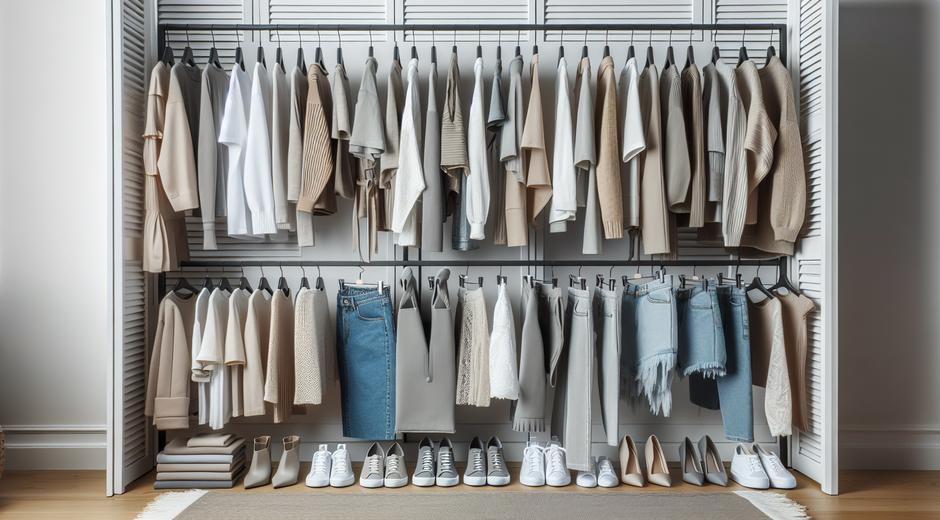


Modern tonal dressing
Modern tonal dressing is a styling approach that celebrates subtlety and depth through careful use of tones and textures. It is not about matching every piece exactly. It is about choosing a cohesive palette that allows each element to support the whole look. For readers who love trends and want to refine a personal aesthetic this is a powerful pathway to both effortless elegance and clear style identity. If you want ongoing trend insight visit styleradarpoint.com for curated stories and fresh ideas.
What tonal dressing really means
At its core tonal dressing uses a single color family across an outfit while varying value and saturation. Value refers to how light or dark a color is. Saturation refers to how intense that color is. By mixing lighter and darker versions of the same hue and by introducing soft neutrals you can create visual interest without high contrast. This makes the whole look feel calm refined and very modern.
Tonal dressing works for all color groups from soft pastels to rich jewel tones and earthy greens. The idea is to create layers of color that read as intentional and together. For style beginners tonal dressing simplifies decision making because you are working within one palette. For advanced dressers it provides a canvas to play with texture and proportion.
Why modern tonal dressing is trending now
Minimalism and mindful consumption have influenced how people build wardrobes. Modern tonal dressing aligns with those values because it encourages versatility and longevity. When pieces live in the same palette they become easier to mix and match. That reduces the need to buy single use items and helps create a capsule approach without sacrificing variety.
Digital culture also plays a role. Clean cohesive looks photograph well for social feeds which reinforces the trend. But the aesthetic is not just for visuals. It also feels restful to the eye which makes it appealing for everyday wear and for professional settings.
How to build a tonal outfit step by step
1. Choose a base color
Start with a base color you enjoy wearing. Neutral bases include beige cream grey or navy. For a bolder choice pick olive plum or terracotta. The base sets the mood for the outfit.
2. Add a light and a dark shade
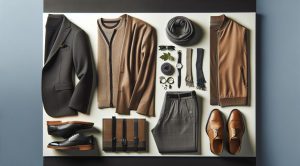
Once you have the base layer add one lighter and one darker shade from the same family. For example if you choose camel add a pale sand top and a deeper caramel coat. This creates depth while maintaining cohesion.
3. Mix textures
Texture is the secret ingredient in tonal dressing. Combine soft knitwear with crisp cotton or a glossy leather bag. Textural contrast makes monochrome looks feel layered rather than flat.
4. Pay attention to proportion
Use scale to create interest. Pair slim trousers with a relaxed sweater or a long coat over a cropped top. This keeps the eye moving and prevents the outfit from feeling static.
5. Finish with an accent that ties the look together
A scarf belt or shoe in a slightly different tone can act as a bridge between pieces. Keep the accent within the same palette to maintain the tonal theme.
Fabrics and textures to prioritize
When building tonal outfits choose fabrics that complement each other. Wool cashmere and heavy knits add warmth and structure. Linen and cotton bring airiness and are ideal for warmer months. Leather suede and suede like finishes add edge and sophistication. Satin and silk provide a subtle sheen that lifts a neutral look.
A mix of matte and shiny surfaces makes tonal dressing more interesting. For instance pair a cotton shirt with satin trousers or a knit dress with patent loafers. When you let texture do some of the work the color restrictions feel liberating rather than limiting.
Color pairings that work well
Some classic tonal directions to try
– Warm neutrals: cream tan and chocolate
– Cool neutrals: dove grey steel grey and charcoal
– Earth tones: sage khaki and olive
– Pastel family: blush rose and soft mauve
– Jewel family: teal emerald and deep navy
Experiment by building a capsule of three to five pieces in one family. Wear them together in various combinations to see which items feel strongest in your daily routine.
Tonal dressing for different occasions
Work
For office settings tonal dressing reads polished and intentional. Choose structured pieces such as tailored trousers or a midi skirt paired with a fitted blouse. Keep accessories minimal and choose shoes with clean lines.
Casual
For weekends tonal dressing is all about comfort. Combine relaxed knitwear with tailored jogger style trousers or fluid wide leg pants and soft sneakers. The uniform like quality of tonal dressing makes casual outfits look curated.
Evening
For evening looks choose richer textures and deeper tones. Satin or velvet in a unified palette feels luxe. Add metallic details sparingly to avoid breaking the tone.
Tonal dressing for different body types
Tonal dressing flatters many shapes because it avoids abrupt color breaks. To emphasize height wear a darker tone on the bottom and a lighter tone on top. To highlight the waist choose a belt that is a shade darker or lighter than the garment it sits on. Layering similar tones can create a streamlined silhouette or can be used to add volume where desired.
Common mistakes to avoid
One error is choosing pieces that are too similar in texture and cut. That can make the outfit feel flat. Always vary materials or silhouette. Another pitfall is using too many trims or bold prints that clash with the tonal intent. If you choose a graphic accessory let it sit within the same color family so it reads as part of the palette.
Sustainable and budget friendly tips
Tonal dressing can support sustainable habits because it encourages mixing existing pieces. Shop secondhand for special pieces that anchor a palette like a coat or structured blazer. When investing choose timeless silhouettes in quality materials that will wear well over time.
If you are interested in garment care innovations and tools that help preserve fabric quality look into resources that cover maintenance and repair technologies. For curated tech and gear suggestions see Techtazz.com for ideas that support a long term wardrobe.
How to update your look while staying tonal
Rotate accent pieces seasonally rather than replacing the core palette. For example swap a lightweight scarf for a structured knit in colder months. Introduce one new texture or a single new silhouette each season to keep the wardrobe fresh without starting from scratch.
Final thoughts
Modern tonal dressing is an approach that gives clarity to wardrobe choices and creates a consistently polished result. It works across budgets ages and lifestyles and rewards attention to texture proportion and color value. Start small by curating a mini capsule in a color you love and expand from there. With a few thoughtful choices you can create looks that feel intentional modern and beautifully cohesive.