

Contemporary Styling: Modern Approaches to Timeless Design
Contemporary Styling is more than a passing trend. It is an aesthetic that evolves with the present moment while maintaining clarity and restraint. For readers who want to update a living room or rethink an entire home, understanding the core ideas behind Contemporary Styling makes the process intentional and efficient. This article explores what Contemporary Styling really means, how to apply it in practical ways, common pitfalls to avoid and where to look for ongoing inspiration. If you want a hub for trends and fresh ideas visit styleradarpoint.com for curated guides and examples.
What is Contemporary Styling
Contemporary Styling refers to design that reflects the current time and cultural climate. It is often confused with modern style but the two are not identical. Modern design refers to a specific historical movement while Contemporary Styling is fluid and responsive to new materials and technologies. The emphasis is on open space, clean forms and a sense of balance. It favors simplicity without feeling cold and embraces a curated mix of textures to add warmth and depth.
Key Elements of Contemporary Styling
Successful Contemporary Styling relies on a few repeatable elements that work across different interiors. These elements help create cohesion and ensure the space feels current and purposeful.
- Neutral base palette tempered by accent colors
- Clean lines and minimal clutter
- Quality of materials over quantity of accessories
- Open layouts that enhance natural flow
- Strategic lighting to shape mood and highlight focal points
When these elements are combined thoughtfully they produce an interior that looks intentional. Contemporary Styling is not about filling every surface. It is about selecting pieces that speak clearly and complement one another.
Colors Materials and Textures
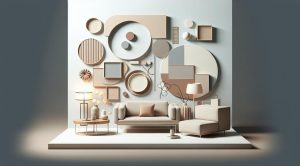
Color choices in Contemporary Styling tend to start with subdued neutrals and then layer in richer tones for emphasis. A soft gray wall or a warm beige floor can set the stage for one or two accent colors such as teal or rust. Metallics like brushed brass or matte black hardware act as punctuation points. Natural materials like wood stone and linen bring balance and keep the space grounded.
Texture plays a crucial role. Smooth surfaces can be balanced with tactile textiles such as a woven rug or plush throw. Contrast between glossy and matte finishes adds visual interest. The goal is harmony rather than maximal variance so that each material supports the overall composition.
Furniture Selection and Scale
Choosing furniture for Contemporary Styling requires attention to scale and proportion. Pieces should fit the room without crowding it. Low profile seating with simple silhouettes often works well. Multi functional furniture can maintain clean sight lines while adding utility. Look for pieces with refined details rather than elaborate ornamentation.
Scale matters greatly. Oversize furniture in a small room overwhelms the space. Too many small items create visual noise. Aim for a balanced arrangement that leaves breathing room and reinforces the architectural flow.
Lighting and Ambience
Lighting is one of the most powerful tools for Contemporary Styling. A layered approach using ambient task and accent lighting allows you to shape mood and functionality. Recessed fixtures offer a clean look for ambient light. Pendant lights can create sculptural interest over a dining table. Floor lamps and table lamps provide task light while adding texture and form.
Consider dimmable systems to adapt the atmosphere for different times of day. Lighting that interacts with architectural features can transform a simple space into a dramatic environment without relying on busy decor.
How to Achieve Contemporary Styling in Your Home
Start with a clear plan. Identify the primary function for each room and then choose a limited color palette. Edit ruthlessly. Contemporary Styling benefits from restraint. Remove excess items and keep surfaces tidy. Introduce a few statement pieces that anchor the room such as an art work a sculptural chair or a distinctive light fixture.
Layer textures gradually. Begin with a floor covering then add seating textiles then smaller accessories. Plants are excellent contemporary allies. A single large plant can provide life and scale without clutter. Use mirrors strategically to amplify light and create visual depth.
Styling Tips for Different Rooms
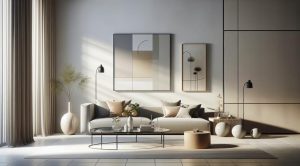
Living room styling should encourage comfort and conversation. Arrange seating to face a focal point and leave clear circulation paths. In bedrooms focus on calm and order. Choose bedding with simple patterns and introduce ambient lighting for a restful feel. Kitchens benefit from streamlined storage and minimal countertop objects to maintain the clean aesthetic that defines Contemporary Styling.
Common Mistakes to Avoid
There are common missteps that undermine Contemporary Styling. One is confusing minimalism with emptiness. Minimalism can be warm and expressive when done thoughtfully. Another mistake is mixing too many competing patterns and textures. Contemporary Styling favors deliberate contrast rather than chaotic variety. Finally avoid lighting that is either too harsh or too dim. Proper lighting enhances everything else you have selected.
How to Blend Contemporary Styling with Personal Taste
Contemporary Styling need not erase personality. Use curated objects that have sentimental value while ensuring they harmonize with the overall palette and scale. Art is a powerful way to personalize a space. Choose artworks that complement the room without overwhelming it. Small personal items can be displayed in a single trusted vignette rather than spread across every surface.
When in doubt edit. A single meaningful object placed with intention can say more than many objects placed without thought.
Where to Find Inspiration
Great inspiration comes from a variety of sources including architecture magazines museum exhibitions and curated online platforms that showcase current interiors. For visual media inspiration that translates well to interior mood boards check resources like Moviefil.com where color and set design often reveal fresh ways to use light and color. Studying how contemporary films and series frame space can spark ideas for layout and focal points.
Final Thoughts on Contemporary Styling
Contemporary Styling is approachable and adaptable. It respects the present while allowing personal touches to shine. By focusing on proportion material quality and lighting you can craft interiors that feel modern and timeless. Remember that the essence of Contemporary Styling is clarity and intention. Edit with confidence choose pieces that matter and create a calm coherent space that supports how you live today.
For ongoing trend coverage fresh ideas and practical guides return to the resource hub at styleradarpoint.com to explore more articles and curated galleries.