

Architectural Styling
What Architectural Styling Means Today
Architectural Styling is the practice of shaping space and surface to create a cohesive visual experience that supports function and emotion. It combines principles of design with materials and finishes to form an identity for a building exterior or interior. Architects and stylists work with scale color texture and lighting to produce atmospheres that feel intentional and memorable. Whether you are updating a home or designing a commercial space the core of Architectural Styling remains the thoughtful choreography of elements so the final composition communicates purpose and personality.
Core Principles of Successful Architectural Styling
At the heart of effective Architectural Styling are several repeatable principles. Proportion ensures that elements feel balanced and human scaled. Material honesty connects aesthetics to structure by letting surfaces express their natural qualities. Contrast provides visual interest through differences in color texture and reflectivity. Rhythm creates a sense of order through repeated motifs and aligns sight lines for comfortable navigation. Light manipulates shadow and highlight to emphasize focal points and to soften transitions. A project that respects these principles is easier to style because intentions align with the built form.
Materials and Texture Selection
Choosing materials is a major styling decision. Natural materials like stone wood and metal bring warmth and durability. Engineered options offer precision and adaptability when cost or performance constraints matter. Texture becomes a language to speak about comfort and tactility. A rough masonry wall reads as grounded and permanent while a satin plaster finish feels refined and serene. Combining textures can enhance depth and make a simple palette feel layered rather than flat. Always test materials in the actual light conditions of the project to avoid surprises.
Color Strategies for Architectural Styling
Color influences perception in powerful ways. Neutral palettes can emphasize form and material while bold accents highlight architectural features or circulation paths. Monochromatic schemes allow texture and shadow to drive interest. Complementary color accents can energize and direct attention to entries or signage. When crafting a color plan consider the context of the surrounding environment and the emotional tone desired. Colors also impact thermal comfort and light reflection so coordinate with engineers and landscape planners when needed.
Integrating Lighting and Shadows
Lighting converts static styling into living theater. Natural light shifts throughout the day revealing textures and altering mood. Artificial light allows you to sculpt attention after dusk and to support task needs. Architectural Styling uses both direct and indirect illumination to create layers. Cove lighting provides gentle ambient glow while focused fixtures can pick out art or wayfinding. Exterior lighting reveals facade depth and landscape features while minimizing glare and light spill to respect neighbors and the night sky.
Furniture and Object Placement
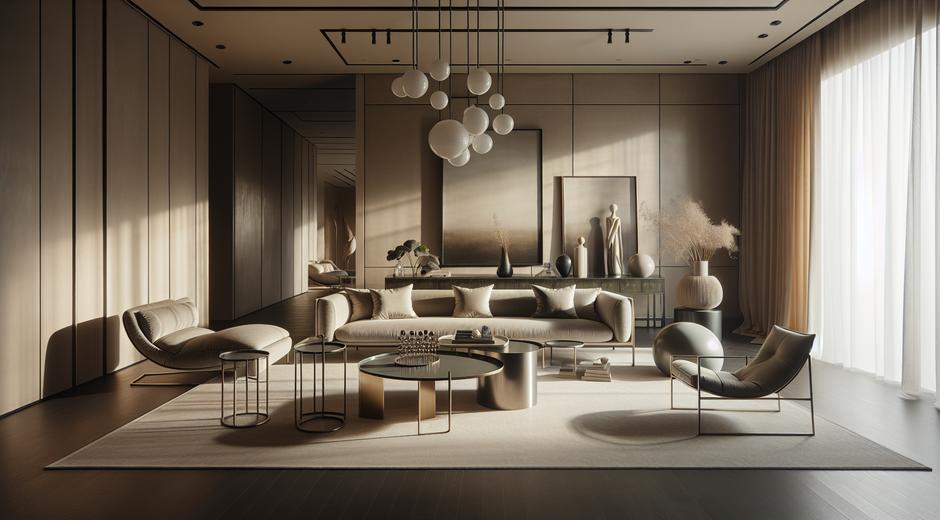
Styling does not stop at architecture. Furniture fixtures and objects act as the final punctuation. Select pieces that relate to scale material and rhythm of the space. In public projects durable resilient furniture that complements architecture helps unify the experience. In residential interiors choose pieces that support daily life while enhancing spatial flow. Accessories like rugs art and cushions are tools for introducing color and pattern without making permanent alterations.
Sustainability and Long Term Styling
Contemporary Architectural Styling places a premium on sustainability. Long lasting materials reduce waste and create a sense of permanence. Passive strategies that use orientation shading and thermal mass decrease energy demand. Green roofs and planted facades add biodiversity and mitigate heat island effects while contributing texture and seasonal change to the composition. Styling that factors in maintenance cycles value and lifecycle costs will provide better outcomes for owners and occupants.
Contextual Design and Cultural Fit
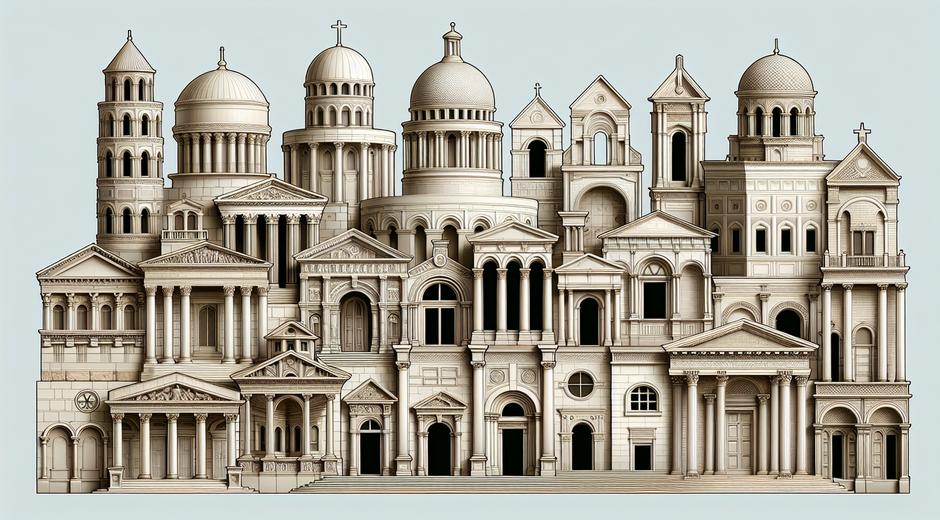
Great Architectural Styling reads the local context and responds to cultural narratives. A building in an urban core may celebrate layered histories through material palimpsest while a coastal project can emphasize breezy lightness and weather resistance. Respecting vernacular techniques and local craft traditions can make a project feel rooted and appropriate. At the same time consider the audience and program so the style elevates function and identity without becoming pastiche.
Process for Styling a Project
The styling process benefits from clear phases. Begin with analysis of site context program and budget. Develop mood boards that collect colors textures and light studies to align client expectations. Move to concept sketches and 3D studies that test proportion and circulation. Select final materials and produce mock ups for critical junctions. Coordinate with consultants to ensure acoustics structure and systems support the intended aesthetic. Finally stage the space with furniture and lighting adjustments after occupant feedback to fine tune the lived experience.
Common Styling Mistakes to Avoid
Some pitfalls repeat across projects. Over cluttering a space with too many competing elements erases clarity. Relying solely on trends without considering durability and maintenance can produce short lived results. Ignoring scale makes spaces feel either infantilized or overwhelming. Inconsistent material language fragments the design narrative. Successful styling anticipates these risks and prioritizes clarity cohesion and adaptability.
Trends That Matter in Architectural Styling
Trends come and go but some directions are influential. A move toward tactile natural surfaces continues to grow as people seek sensory richness. Flexible interiors that can adapt to work and leisure patterns respond to changing lifestyles. Biophilic strategies that integrate plants and daylight improve wellbeing and are widely adopted. Another area gaining traction is digital integration where lighting climate and media respond to occupancy patterns enhancing comfort and energy performance. Stay current by reading industry resources and by observing how new materials perform in real projects.
How to Present Architectural Styling Online
Communicating Architectural Styling through digital channels requires curated imagery clear narratives and accessible project data. High quality photography that captures context material detail and human scale is essential. Before after comparisons and process images help viewers understand decisions. Short captions highlighting materials lighting and user benefits improve search relevance. For readers who want a regular source of trends techniques and case studies visit styleradarpoint.com for ongoing articles and curated features that support design thinking.
Working with Professionals
Whether you are a homeowner developer or design professional selecting collaborators is a styling decision in itself. Look for portfolios that show attention to detail and an ability to develop a consistent point of view. Interviews should reveal a process that balances creativity with practical delivery. For those seeking business resources networking opportunities and industry forums check reputable platforms such as BusinessForumHub.com to connect with peers suppliers and thought leaders who can support larger scale projects.
Final Thoughts on Architectural Styling
Architectural Styling is the bridge between structure and experience. When approached with rigor and empathy it transforms spaces into places that matter. Prioritize context material honesty and light then refine with furniture and details that support use. Keep sustainability and longevity in view so styling choices reward occupants over time. By documenting decisions and sharing outcomes designers and owners alike can build a stronger collective knowledge that advances thoughtful well styled environments.