

Balanced Modern Outfits
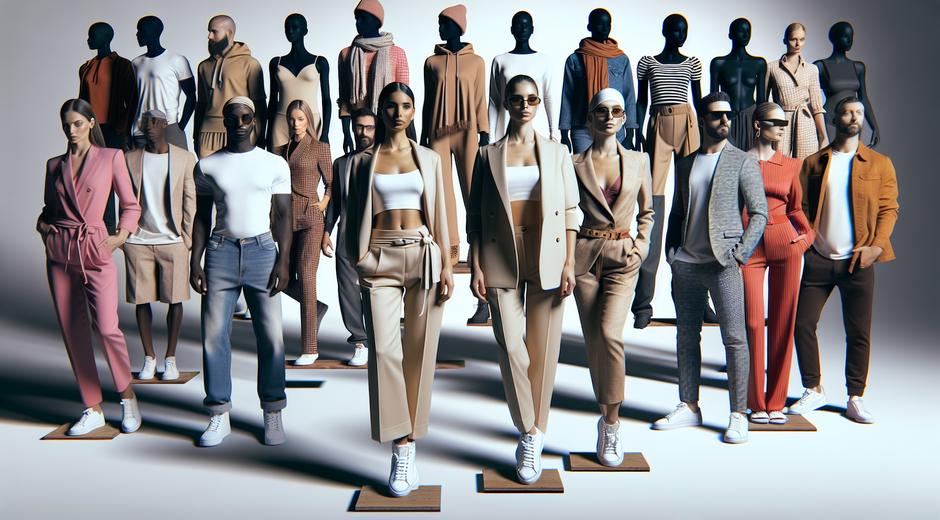
Creating a wardrobe that feels fresh and effortless starts with the concept of Balanced Modern Outfits. This term means combining contemporary lines and classic techniques to achieve harmony in color, proportion, texture and function. Whether you are dressing for work casual events or city weekends a balanced approach keeps your look polished and comfortable while reflecting current trends. This guide will walk you through the principles that define balance in modern dressing and give practical steps to build outfits that look intentional and easy.
Why Balance Matters in Modern Style
Balance is the secret behind outfits that look well curated rather than improvised. When you balance a look you control visual weight shape and focus. That can mean pairing a roomy top with a slim bottom choosing muted tones with a single vivid accent or mixing soft fabrics with crisp structures. Balanced Modern Outfits feel cohesive because each piece supports the rest. They also adapt well to different settings which makes them ideal for a lifestyle that blends work play and social time. For daily inspiration you can explore more ideas at styleradarpoint.com where trend focused guides meet practical tips.
Core Principles for Balanced Modern Outfits
Start with a few simple rules that will guide outfit building. First think in terms of scale and proportion. If a top is oversized counter that with fitted trousers or a skirt. If you choose voluminous bottoms keep your top more tailored. Second use color to manage attention. Neutral palettes create a calm base while an accent color can highlight a focal point. Third mix textures to add depth without clutter. A smooth knit with a suede shoe or a silk blouse with structured outerwear keeps interest alive. Fourth consider function first. Modern outfits that are balanced often prioritize comfort and movement while still looking structured.
Choosing a Color Palette
A thoughtful palette is one of the easiest ways to make outfits feel intentional. Modern palettes often center on neutrals like cream grey navy and brown. These shades pair easily and allow one or two accent colors to stand out. For example a neutral base with emerald or terracotta accents looks fresh without feeling loud. Another approach is tonal dressing where you wear different shades of the same color family to create a long unbroken line. That style appears refined and is simple to execute. Avoid too many competing hues and choose one area of emphasis whether that is outerwear footwear or accessories.
Proportion and Silhouette Strategies
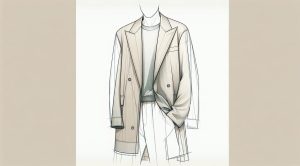
When building Balanced Modern Outfits attention to silhouette transforms basic pieces into a cohesive look. Pair a boxy jacket with a streamlined pant or tuck a voluminous blouse into a high waisted skirt to keep the waist visible. Cropped lengths can make layered looks feel modern when balanced with a longer under layer. The goal is to create a readable shape so the eye has a place to rest. A strong silhouette helps even simple pieces look purposeful. Keep proportions varied but not chaotic and you will achieve modern balance.
Texture and Fabric Pairing
Texture is an underused tool for modern outfit design. Combining soft knitwear with structured cotton or buttery leather with lightweight linen introduces contrast that reads as design rather than mess. A familiar formula that works is one soft texture one firm texture and one sleek element such as metal hardware or polished leather. This creates visual depth without overwhelming the look. Fabric quality also matters. Simple shapes in good fabric often read more modern and elevated than busy prints in thin materials.
Layering with Purpose
Layering is a hallmark of modern dressing but it must be done with purpose to maintain balance. Start with a base layer that is slim then add an outer layer that offers shape. A long vest over a fitted long sleeve top or a tailored coat over a relaxed knit are classic examples. Keep the layers in a compatible palette and vary the lengths so each piece is visible. Thoughtful layering allows you to adapt to changing temperatures while keeping the outfit visually interesting.
Smart Accessory Choices
Accessories are the finishing touch that can tip an outfit toward balance or away from it. Choose one or two key items rather than many small competing pieces. A structured bag a pair of statement shoes or a single bold piece of jewelry can anchor a modern outfit. Scarves belts and hats also work well when they serve a function or create contrast in texture or color. Minimal hardware and clean lines often support modern balance better than cluttered detail.
Footwear and Modern Grounding
Shoes ground an outfit. Modern footwear tends to favor clean shapes and subtle design details. A sleek loafer a minimalist sneaker or a block heel pump can make a range of outfits feel contemporary. When pairing footwear with clothing think of the visual line it creates. An ankle shoe with cropped pants draws attention to the ankle so balance that with a slightly cropped hem. Tall boots work well with skirts or wide leg trousers as a way to elongate the leg. Comfort and proportion are equally important for achieving a modern balanced effect.
Creating a Capsule Wardrobe for Balance
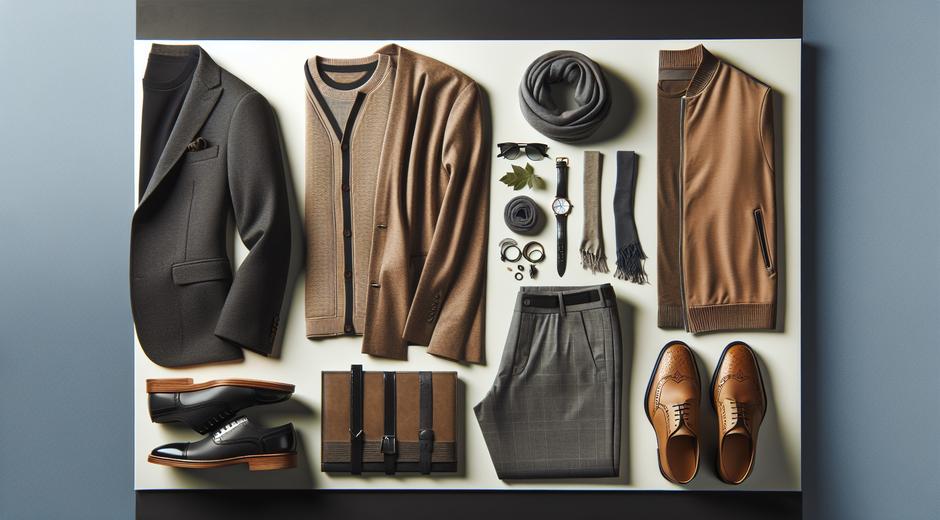
A capsule approach is ideal for mastering Balanced Modern Outfits. Select a small number of versatile pieces in a cohesive palette that mix and match effortlessly. Core items might include a tailored jacket a quality knit a neutral pair of trousers a versatile skirt and a classic coat. Add a few accent pieces that reflect your personal taste. The result is a wardrobe that allows you to assemble polished outfits quickly while minimizing decision fatigue. This also supports sustainable shopping because you invest in pieces that earn rotation.
Daily Outfit Templates
Use simple templates to make outfit creation faster. One reliable template is tailored jacket slim pant neutral shoe. Another is relaxed knit midi skirt ankle boot. For casual days combine a crisp tee with a structured coat and a sleek sneaker. For evening swap the tee for a silk blouse and add a bold accessory. These templates help you maintain balance because they control proportion color and texture in predictable ways. Over time you can adjust templates to fit season and occasion.
Shopping and Care Tips to Maintain Balance
When shopping choose items that fill a need in your existing wardrobe. Avoid impulse buys that only match a single item. Test how a piece plays with at least three other garments to ensure versatility. Invest in quality basics because they set the tone for Balanced Modern Outfits. Care is also essential. Proper laundering and timely repairs keep pieces crisp and prevent outings from looking sloppy. A well maintained garment elevates your overall look more than a trendy item that is showing wear.
Confidence and the Final Touch
Balance is as much about attitude as it is about aesthetics. Wear clothes that allow you to move with confidence and that feel true to your identity. Small adjustments like a clean hemline or a tucked shirt can boost how you carry an outfit. For techniques to improve mindset focus and daily routines that support personal style check resources like FocusMindFlow.com. Confidence completes Balanced Modern Outfits by making even simple combinations feel intentional.
Conclusion
Balanced Modern Outfits are built on clarity of intent. By focusing on proportion color texture and function you can create looks that are versatile elevated and comfortable. Start with a small curated wardrobe follow proven templates and refine with purposeful accessories and quality shoes. This approach saves time reduces waste and ensures you always look composed. Embrace balance and let modern simplicity become the signature of your personal style.