

Texture Blocking A Complete Guide to Mixing Materials with Confidence
Texture Blocking is the next evolution of creative dressing and interior design. Instead of relying only on color contrast a tactile approach pairs fabrics and surfaces to create visual interest and depth. This guide explains what Texture Blocking means why it works and how to apply it across fashion home décor beauty and styling. Whether you are a trend seeker or a professional stylist the practical tips below will help you embrace texture mixing with clarity and confidence.
What is Texture Blocking
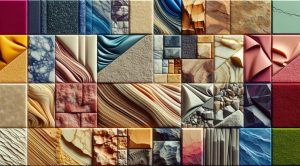
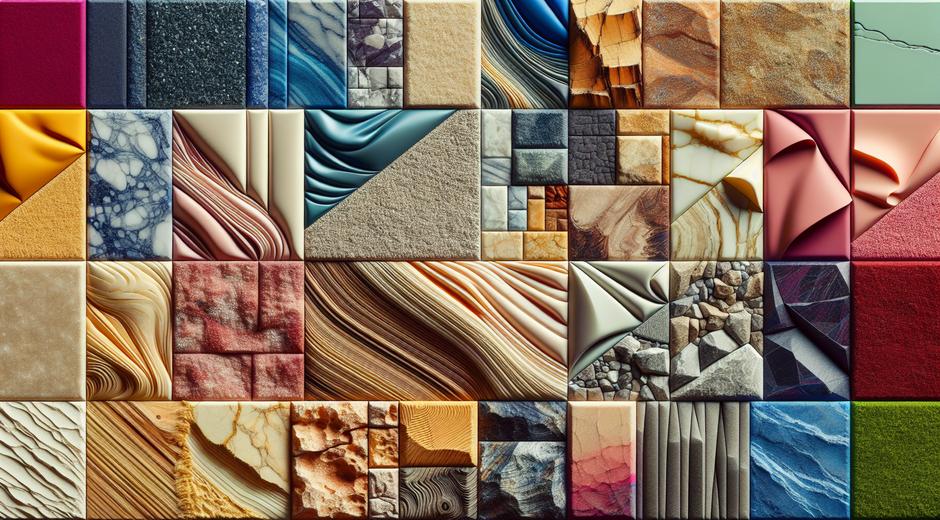
Texture Blocking is the deliberate pairing of contrasting materials to create a bold and cohesive look. Think chunky knit paired with glossy leather or soft velvet matched with raw wood. The principle is simple mix textures that play off each other to enhance shape color and the overall composition. While color blocking uses large fields of color Texture Blocking uses tactile contrast as the primary design element.
Why Texture Blocking Works
The human eye and touch respond to texture as a signal of comfort quality and context. Texture Blocking works because it adds three dimensional cues that a flat color story cannot provide. Contrast in texture draws attention offers balance and can make a simple silhouette appear refined and intentional. For interiors texture prevents rooms from feeling sterile. For clothing texture lifts basic pieces and creates a signature look without extra accessories.
Core Texture Pairing Principles
Start by understanding a few core pairing rules. Use them as guidelines rather than strict laws.
- Contrast Makes Impact Pair soft with firm shiny with matte or structured with fluid. Opposite textures create the strongest focal points.
- Limit to Three Textures Max In a single outfit or room choose a dominant texture a secondary supporting texture and one accent texture. Too many textures can feel chaotic.
- Consider Scale Fine textures like silk or satin read differently at distance than coarse textures like bouclé. Mix scale to ensure harmony.
- Balance with Color Texture Blocking does not replace color but complements it. Neutral palettes are a safe start but texture can be used to accent vibrant hues.
Texture Blocking in Fashion
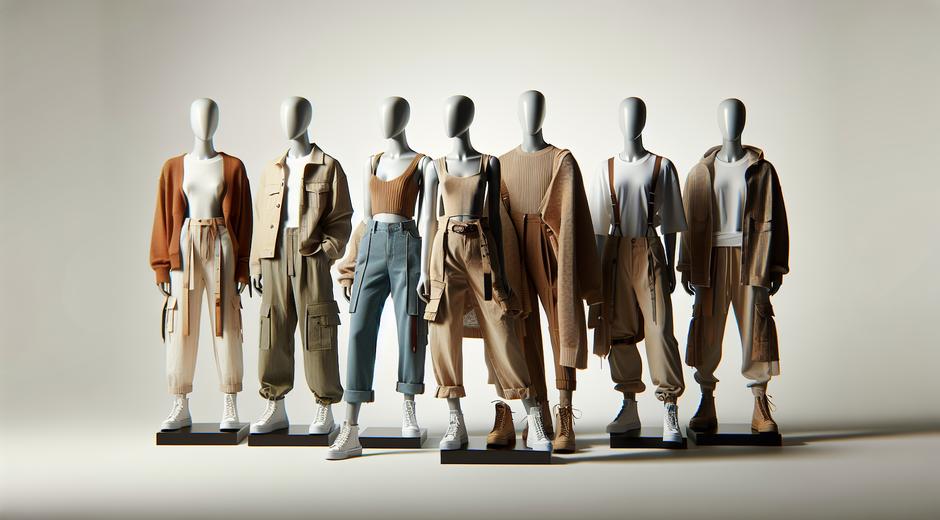
Applying Texture Blocking to clothing is both fun and practical. Here are concrete outfit ideas and rules for everyday styling.
- Casual Day Look Pair a chunky knit sweater with a leather skirt and finish with suede boots. The knit offers warmth the leather adds edge and the suede bridges both worlds for a cohesive feel.
- Office Styling Combine a crisp cotton blouse with a structured wool blazer and a satin scarf. The satin scarf provides shine and movement against the tailored shapes.
- Evening Statement Use velvet trousers with a silk camisole and a metallic clutch. Velvet grounds the look while silk and metal offer glow and contrast.
- Layering Strategy Use textures to define layers. A lace under layer peeking from a denim jacket creates refined contrast while keeping the overall silhouette simple.
Texture Blocking for Interiors
In interiors Texture Blocking can transform a room from bland to curated. The aim is to create zones of tactile interest without overwhelming the senses.
- Sofa Area Choose a linen sofa then add a boucle throw and leather cushions. The linen is breathable boucle adds softness and leather offers structure.
- Dining Room Combine a wooden table with rattan chairs and a glass chandelier. Wood delivers warmth rattan introduces organic texture and glass brings light to the scene.
- Bedroom Layer bedding with cotton sheets wool blankets and a fur cushion for luxury. This layered approach makes the bed inviting and visually rich.
Texture Blocking in Beauty and Hair
The concept extends beyond fabric. In beauty Texture Blocking can mean pairing matte makeup with glossy lips or mixing opposite finishes in nail art. In hair it translates to smooth sleek sections contrasted with textured waves or braided details. A matte eye shadow topped with a glossy lid accent can highlight bone structure while providing modern contrast.
Practical Tips for Shopping and Building a Texture Blocked Wardrobe
When shopping for Texture Blocking focus on pieces that will act as anchors and accents. Anchors are stable items you will wear often such as coats trousers or sofas. Accents are items like scarves cushions or statement jewelry that are easy to swap seasonally.
Start with versatile neutrals then introduce one or two textured accent pieces per season. This approach keeps your look contemporary without excessive consumption. For ongoing inspiration and curated trend coverage visit styleradarpoint.com where expert picks and how to guides are updated regularly.
Balancing Texture with Color Pattern and Form
Texture works in harmony with color pattern and silhouette. If you choose an intricate texture like brocade keep pattern minimal. If you prefer bold patterns use a quieter texture to avoid competition. Silhouette matters too a voluminous textured coat may need slim trousers to read as balanced. Think of texture as a tool to amplify rather than replace other design choices.
Sustainability and Texture Blocking
Texture Blocking can support sustainable choices. By focusing on high quality textures you invest in pieces that endure longer both physically and stylistically. Natural fibers like wool cotton silk and linen age well and develop character. Reclaimed wood reclaimed metal and upcycled textiles offer rich textures that tell a story. For entrepreneurs and creatives who want to present texture focused collections or writing learnings check resources and community insights at BusinessForumHub.com.
Common Mistakes and How to Avoid Them
New practitioners sometimes overload with texture or pair textures that fight. Avoid these pitfalls.
- Do Not Compete Use a hierarchy. Let one texture lead while others support.
- Avoid Same Scale Pairing Two heavy coarse textures can feel muddy. Mix fine with coarse or smooth with nubby.
- Watch Tone Clashing Texture does not fix poor color choices. Ensure tones complement each other even when textures contrast.
Quick Texture Pairing Cheat Sheet
Use these reliable combos to get started.
- Knits and Leather Warm and edgy
- Silk and Wool Elegant and balanced
- Bouclé and Metal Cozy and modern
- Linen and Rattan Light and organic
- Velvet and Glass Luxurious and luminous
Final Thoughts
Texture Blocking is an accessible strategy that elevates style and design without relying on constant newness. It is a sustainable practice that rewards attention to material choice and proportion. Use contrast deliberately build around a core palette and remember that less can be more. With practice you will develop an instinct for which textures pair naturally and which combinations deliver the most visual impact.
Whether you are redesigning a room assembling a capsule wardrobe or refining your brand aesthetic Texture Blocking adds depth narrative and personality. Explore the idea with intention and your creations will read as thoughtful layered and modern.