

Architectural fashion A Guide to Structure Style and Sustainable Design
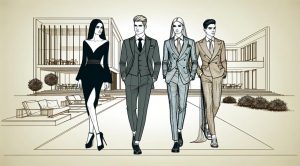
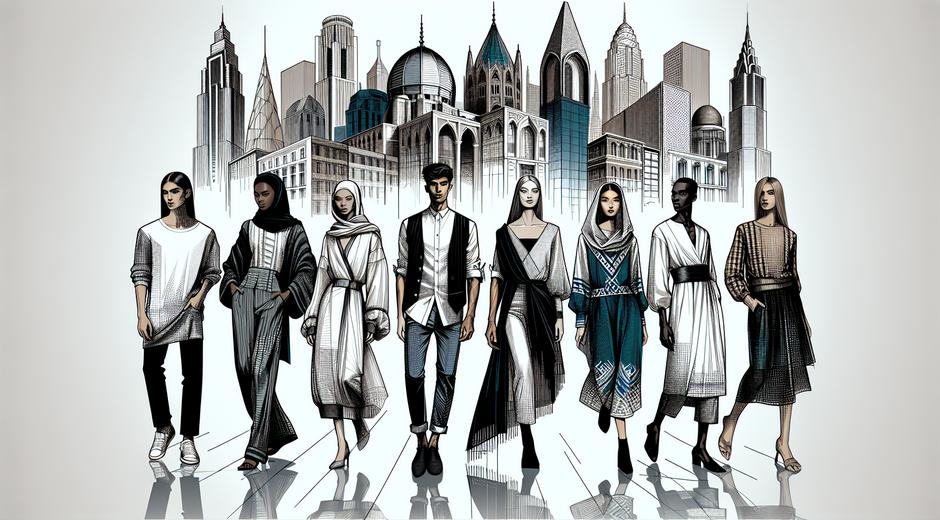
Architectural fashion is a concept that brings the language of architecture into clothing and accessories. It is about structure form balance and the way garments interact with the body and the surrounding space. This approach to style emphasizes geometry sculptural silhouettes and materials that behave more like building elements than traditional fabric alone. In this article we explore the key ideas behind Architectural fashion its influence on mainstream trends and how to adopt this aesthetic in a modern and wearable way. For more trend focused content visit styleradarpoint.com where we curate ideas across fashion home and lifestyle.
What Architectural fashion Really Means
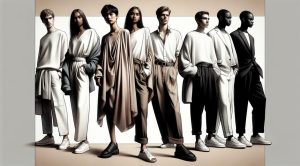
At its core Architectural fashion blends principles from architecture such as scale proportion and materiality with fashion design. Think of garments that use volume to create presence garments that rely on engineered seams layered panels and sculpted edges to define silhouette. Architectural fashion often prioritizes form and movement over ornate patterning and it favors a minimalist palette so that construction becomes the focal point.
Designers working in this space study how structures support and interact with forces and then translate those strategies into clothing. This can mean using bonded fabrics to achieve crisp edges printed reinforcement to hold shapes or innovative pleating techniques to create three dimensional surfaces. The result can be striking and sometimes avant garde yet many creators aim for practical interpretations that are wearable in everyday life.
Key Elements of Architectural fashion
Several recurring elements help define the Architectural fashion look. Geometry plays a major role with sharp lines and curved panels combined to suggest built form. Tailoring is precise with an emphasis on seam placement and paneling. Materials are chosen for their ability to hold shape so neoprene bonded cotton and structured wool blends are popular choices. Texture is also used strategically so smooth surfaces contrast with tactile details to highlight silhouette and movement.
Another important element is adaptability. Modular pieces that can be layered or reconfigured echo modular architecture and allow a wearer to change proportion and function throughout the day. This adaptability supports longevity and aligns with a move toward more considered consumption in fashion.
How Architectural fashion Appears on the Runway and in Street Style
Runway collections that lean into Architectural fashion often showcase bold experiments with form. Sleeves may balloon into unexpected volumes trousers may feature asymmetric panels and coats may incorporate built in support that changes how the garment sits on the body. These dramatic pieces are a laboratory for ideas that eventually filter into ready to wear collections where the core motif remains but the execution becomes more approachable.
In street style Architectural fashion is visible in clean structural coats sculpted knitwear and bags that emphasize form over ornament. The aesthetic pairs well with monochrome palettes and with accessories that mirror architectural details such as metal framing or geometric hardware. Because the look is visually distinct it can elevate simple outfits and lend a sense of deliberate design to everyday dressing.
Sustainability and Material Innovation in Architectural fashion
Material innovation is a natural fit for Architectural fashion. The need for fabrics that hold shape encourages designers to experiment with recycled synthetics bio based textiles and advanced weave techniques. These innovations can reduce waste and create longer lasting pieces that resist the wear and tear of daily life. Architectural fashion can support sustainable goals by emphasizing quality construction and adaptability which reduces the impulse to discard and replace clothing frequently.
Moreover structural thinking helps designers reduce fabric waste. When patterns are developed with careful paneling and optimized nesting of pieces on fabric mills less waste is produced. This efficiency mirrors sustainable building practices where material use is measured and refined to reduce environmental impact.
Designers and Brands Driving Architectural fashion
Certain designers have become synonymous with the marriage of architecture and fashion. Their work often focuses on the interplay of volume and void and on construction techniques that redefine silhouette. These visionaries have inspired a wider industry movement so that even mass market brands have adopted architectural motifs through structured tailoring and bold paneling.
If you are interested in sourcing pieces that embody this aesthetic you may find specialist shops and online platforms that curate collections from independent designers. For a curated marketplace of design forward items explore options such as Zoopora.com which features selections that align with a desire for design led wearable art.
How to Incorporate Architectural fashion into Your Wardrobe
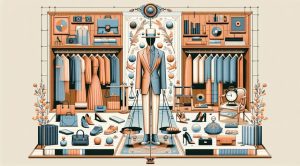
Adopting Architectural fashion does not require a complete wardrobe overhaul. Start by introducing one statement piece such as a sculpted coat a top with engineered pleating or a pair of trousers with precise paneling. Let that item anchor a look and pair it with minimal basics so the structure can stand out.
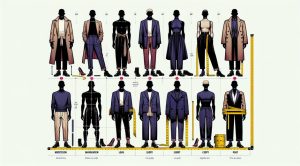
Balance is key. When wearing a bold structural item keep accessories simple and avoid competing volumes in the same look. Focus on fit and proportion so that the architectural element looks intentional. Neutral tones allow the construction to remain the primary focus while occasional accents of color can emphasize edges and lines.
Styling Tips for Different Occasions
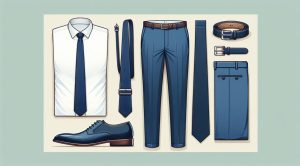
For office dressing opt for tailored pieces that incorporate subtle structural details such as a blazer with defined shoulders or a skirt with asymmetric seams. These items read as professional while still offering a design edge. For evening choose garments with dramatic volume or sculptural necklines paired with streamlined footwear to maintain elegance.
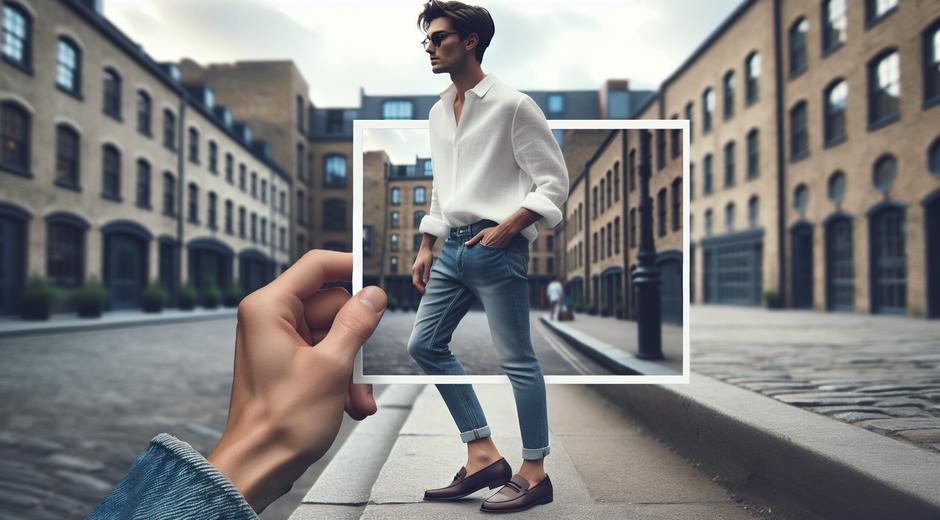
Casual looks can benefit from structural knitwear or engineered outerwear that elevates simple jeans and a tee. Footwear and accessories that reference architectural materials like metal hardware or blocky soles can reinforce the theme without overwhelming a look.
Future Directions in Architectural fashion
Looking ahead Architectural fashion is poised to intersect with technology and craft in new ways. Advances in 3D printing and in fabric engineering will enable more precise control over form and will allow designers to experiment with integrated structure without heavy supporting materials. At the same time a growing emphasis on circular design will lead to pieces that are modular repairable and easier to recycle.
The aesthetic will also continue to influence product design beyond clothing. Home objects and accessories that echo the same principles will proliferate so that a cohesive lifestyle around structure and purpose becomes easier to achieve.
Conclusion
Architectural fashion offers a compelling alternative to trend driven consumption by valuing structure craft and longevity. It blends the rational language of building with the expressive potential of clothing to create pieces that feel purposeful and aspirational. Whether you are a designer a shopper or simply someone curious about how fashion evolves Architectural fashion provides rich possibilities for innovation and personal expression. For ongoing coverage of this and related trends remember to explore our curated content at styleradarpoint.com and visit selected design platforms such as Zoopora.com for inspired finds.