

Balanced silhouettes
Balanced silhouettes are a foundational concept in fashion and personal styling that helps anyone look and feel more confident. Whether you are shopping for a new season or refining a capsule wardrobe, understanding how to create balance between top and bottom halves can transform your overall look. In this guide we will explore principles and practical tips for achieving balanced silhouettes across different body shapes fabrics and occasions.
What are balanced silhouettes and why they matter
A balanced silhouette means that the proportions of your outfit create a cohesive visual line. The goal is to draw attention to your best features while ensuring no part of the outfit overwhelms another. Balanced silhouettes improve posture presence and perceived proportions. They make outfits look intentional instead of accidental and help you communicate a clear personal style.
Every body is different and balance does not mean symmetry for every person. It means finding harmony between garment shapes textures and scale so the final look feels complete. For trend lovers and classic dressers alike mastering balanced silhouettes is one of the fastest ways to look polished.
Core principles to create balanced silhouettes
Start with three simple ideas that make a big difference in how your outfits read.
- Proportion play: Pair fitted pieces with softer more fluid pieces so the eye can rest on a focal point.
- Scale matching: Consider the scale of prints and accessories relative to your frame and to other garments.
- Vertical lines: Use vertical seams lengths and elongated shapes to create a sense of height and flow when needed.
Balancing tops with bottoms
Choosing the right top for your bottom or vice versa is a quick way to establish a balanced silhouette. For example wide leg trousers look best with structured tucked in tops or cropped jackets that define the waist. Slim skirts pair well with blousy tops that add volume above creating a complementary contrast.
Layering can help build balance as well. A long cardigan over a fitted dress can add visual length while a cropped jacket over a midi dress can emphasize the waist. Play with hem lengths and waist positions to see what creates harmony for your frame.
Dresses and one piece looks
Dresses offer a powerful opportunity to achieve a single streamlined silhouette. To create balance choose dresses that follow the natural lines of your body and use belts or seams to create waist definition if you want it. A wrap dress or a fit and flare dress can create a defined waist and balanced hips and bust.
For a tall vertical silhouette select dresses with long unbroken lines and minimal horizontal breaks. For shorter frames choose dresses with a higher waistline or shorter hem to lengthen legs visually.
Outerwear and structured pieces
Outerwear can make or break a silhouette. A tailored coat with clean lines will enhance a balanced look. Avoid overly boxy coats if you want to preserve a defined waist and avoid overly tight coats that create bulges.
Structured blazers are excellent tools for adding shape to any outfit. Look for styles that hit at the natural waist or slightly below when you want to create a classic hourglass impression. For a relaxed balanced silhouette a longer blazer paired with slim trousers works well.
Fabrics textures and prints
Fabric choice affects how shapes read on your body. Stiff fabrics keep shapes crisp and are great for structured silhouettes. Soft flowing fabrics create gentle lines that complement elongated looks. Prints and textures need to be scaled to your body size. Big bold prints can overwhelm a small frame while tiny ditsy prints may get lost on a larger frame.
Accessories and shoes that support balance
Accessories can emphasize balance or undo it. A wide belt can create a new focal point and define the waist. Long necklaces draw the eye downward creating a sense of length. Choose shoes that match the formality and scale of your outfit. Chunky shoes may compete with delicate skirts while slim heeled shoes can extend a leg line.
Dressing for different body shapes
Here are practical ideas for different body shapes that focus on balance rather than restriction.
- Rectangle shape: Create curves with belts peplum tops or tailored jackets that add shape at the waist.
- Pear shape: Balance wider hips with structured shoulders or patterns on top and choose A line skirts that skim the hips.
- Apple shape: Define the waist with wrap styles and choose tops that flow away from the midsection while highlighting legs or arms.
- Hourglass shape: Emphasize the natural waist with fitted styles and avoid overly boxy shapes that hide curves.
Capsule wardrobe ideas for balanced silhouettes
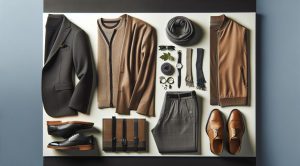
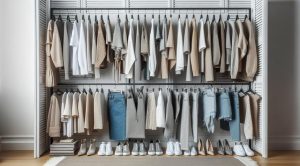
Building a capsule wardrobe around the idea of balanced silhouettes streamlines daily dressing. Start with neutral foundations such as a pair of well fitting trousers a pencil skirt a fitted blazer and a versatile dress. Add interchangeable tops in varied textures and a set of shoes that work with multiple looks. The key is to have pieces that can be mixed to create different proportions quickly.
For continual inspiration and trend updates visit styleradarpoint.com where you will find curated ideas to refine your personal collection and adapt seasonal items into balanced combinations.
Styling examples for work and casual settings
Workwear example Select a tailored blazer fitted blouse and tapered trousers. Add a medium height shoe to maintain proportion. A long coat worn open can enhance the vertical line.
Casual example Pair a soft oversized sweater with straight leg jeans and ankle boots. Tuck the front of the sweater into the waistband to preserve waist definition and achieve a relaxed balanced silhouette.
Shopping tips and tailoring advice
When shopping try garments on with the pieces you plan to wear most. Bring your favorite trousers or shoes to see how items work together. Pay attention to where seams fall and how hems interact with shoes. Most garments can be improved with simple tailoring. A hem adjustment a waist nip or a sleeve shortening can change a silhouette dramatically making even inexpensive pieces look bespoke.
Common mistakes and how to fix them
Common mistakes include mixing too many competing scales wearing heavy top and heavy bottom together and ignoring the impact of undergarments. Fix these by simplifying one area adding a point of visual rest such as a belt or long line accessory and choosing smoothing well fitting undergarments that support the intended shape.
If you style for family life or want ideas that consider movement comfort and kid friendly fabrics take a look at practical suggestions and product reviews on CoolParentingTips.com which covers family focused wardrobe advice that pairs well with the balanced silhouette approach.
Final thoughts
Balanced silhouettes are not a rule they are a toolkit. Use these principles to experiment refine and express your personal style. Keep a small mirror in a dressing room or at home to check proportions from a distance and adjust as needed. With attention to proportion scale and focal points you can make any outfit read intentional and polished.
Start today by evaluating the most worn pieces in your wardrobe. Try three new combinations focused on balance and you will likely find a few fresh favorites. Over time workshops on proportion and a few trusted tailoring contacts become the fastest route to a wardrobe that always looks considered and camera ready.