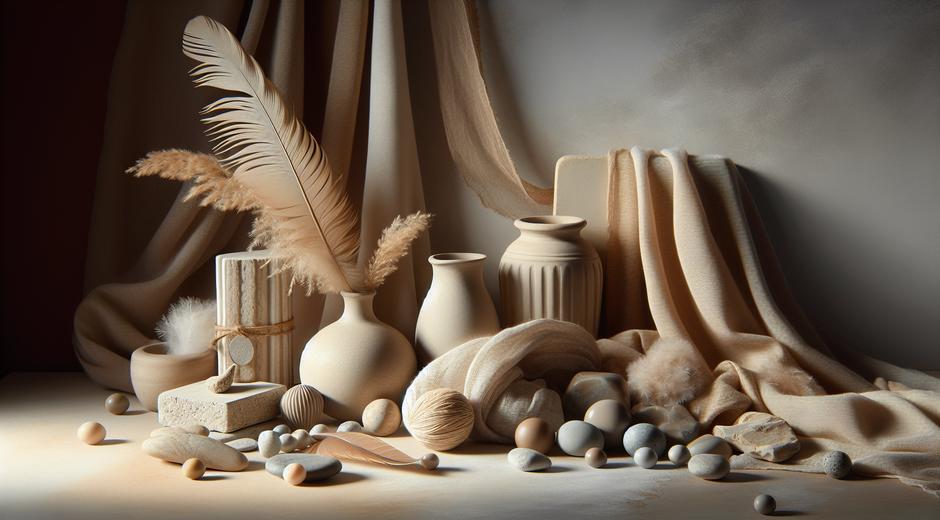


Layered Neutrals The Ultimate Guide to Effortless Chic
Layered neutrals have become a timeless language of style that speaks with calm confidence and refined taste. Whether you are building a capsule wardrobe or styling a living room that invites rest and focus the concept of layered neutrals transforms simple tones into a rich signature. In this article you will discover why the trend works and how to apply it across fashion beauty and home design to create looks that feel polished and modern without trying too hard.
What Are Layered Neutrals
Layered neutrals refers to using a range of muted shades such as ivory beige taupe gray and soft brown in a single composition. The power comes from variation not contrast. When you mix textures finishes and undertones you create visual depth even when working within a narrow color family. The result reads as cohesive and sophisticated making layered neutrals a favorite for people who love minimalist lines and nuanced detail.
Why Layered Neutrals Work
There are practical and aesthetic reasons this approach remains relevant. From an aesthetic point of view neutrals act as a blank canvas that highlights silhouette and material. From a practical point of view neutrals are highly wearable and easy to mix across seasons and trends. This combination of versatility and refined restraint makes layered neutrals an ideal strategy for anyone who values intentional living and timeless style.
Key Elements to Master
To make layered neutrals sing focus on three elements texture proportion and undertone. Texture introduces contrast without color change. Think soft knit against crisp cotton or rough linen paired with smooth leather. Proportion ensures balance in the outfit or room. Mix oversized pieces with tailored layers to maintain visual interest. Undertone points to the subtle warm or cool cast in each neutral. Beige might lean warm while certain grays read cool. Choosing pieces with complementary undertones prevents a flat look.
Building a Layered Neutrals Wardrobe
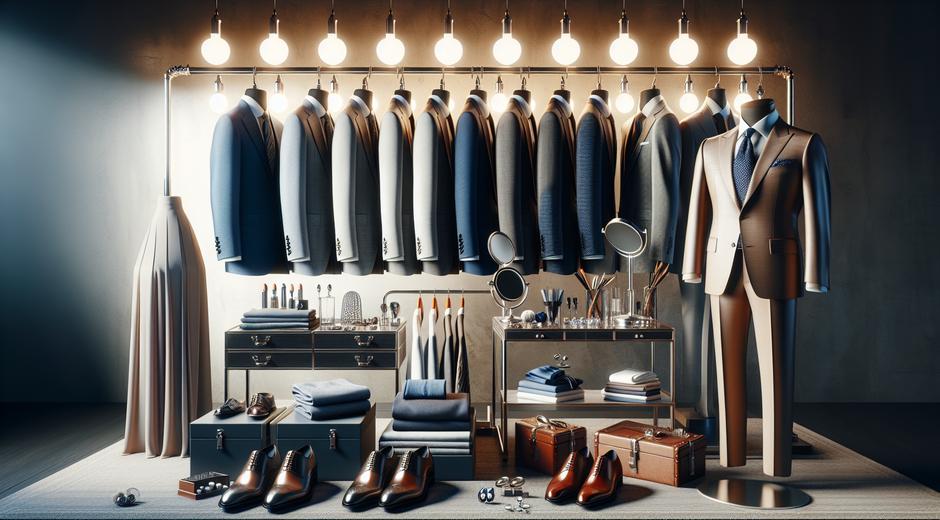
Start with a foundation of classic pieces that you love and that fit well. A structured coat a crisp shirt a soft sweater a pair of tailored trousers and a reliable pair of shoes give you a base to experiment. From there add pieces that vary in weight and texture. A wool coat over a cashmere sweater over a silk blouse creates a composed outfit that reads intentional. Accessories like a leather bag a woven belt or a signature scarf add detail without disrupting the neutral harmony.
When shopping consider quality and longevity over rapid trend chasing. Investments in classic fabrics and refined tailoring pay off because neutrals are easy to remix season after season. For trend updates and fresh ideas on how to pair neutrals explore resources at styleradarpoint.com where curated guides and seasonal edits help you refine a personal uniform.
Layered Neutrals for Home Design
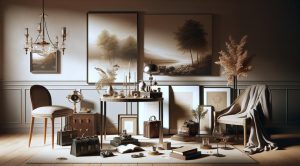
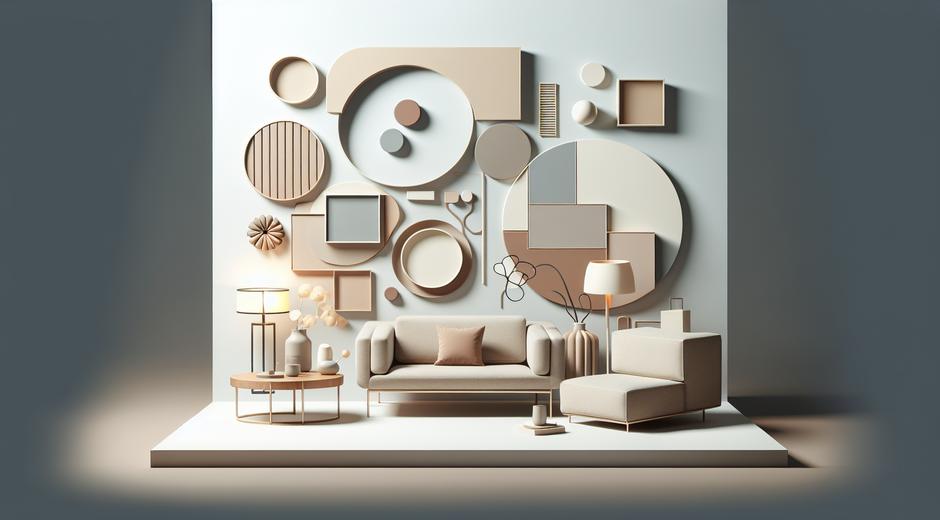
In interior design layered neutrals create spaces that feel calm welcoming and curated. Start with a base palette for walls and larger furniture then introduce accents through texture and subtle pattern. A soft rug a woven throw and mixed materials like wood stone and metal produce warmth and depth. Use lighting to amplify tone. Warm bulbs can enhance cozy hues while natural light highlights the interplay of materials. The goal is a space that feels intentionally edited rather than stark.
For those who want to include plant life or artisan pieces a restrained neutral base makes those items stand out. If you seek natural wellness items for home or body consider eco oriented brands that align with a neutral aesthetic and clean design such as the collection at BioNatureVista.com which pairs well with a calm palette and mindful lifestyle.
Makeup and Beauty in Layered Neutrals
Beauty with neutrals emphasizes skin texture and subtle definition. Choose foundations and concealers that match your undertone and then build warmth with a touch of bronzer or soft blush. Eye color stays within the warm beige and soft brown family for an elegant effect. Layering matte and satin finishes adds dimension without bright color. Finishing with a natural lip shade completes a look that reads polished and effortless.
Seasonal Tips for Layered Neutrals
Layered neutrals move easily between seasons because they rely on texture and weight more than color. In warm months opt for lighter fabrics like linen and silk and choose cooler neutrals such as ivory and stone. In colder months shift to heavier wools tweed and leather and lean into richer shades like camel and mocha. Small changes in fabric and silhouette keep the base palette fresh and season appropriate.
Common Mistakes and How to Avoid Them
One common mistake is creating a monochrome look that feels flat. Avoid this by combining textures and varying shade depth. Another error is ignoring undertones which can make layers compete visually. Correct this by grouping pieces that share a subtle warm or cool cast. Finally over accessorizing with bright colors can disrupt the calm. Keep accessories within the neutral family or select a single accent piece to maintain cohesion.
Practical Styling Examples
For a day look pair a soft knit sweater in warm beige with high rise trousers in a cool gray then anchor with leather loafers and a structured bag. For evening wear try a slip dress in champagne over a fine knit top in ivory with metallic details kept minimal. At home create a living room vignette by layering rugs a textured throw and cushions in varying neutrals then add a single patterned cushion in tone on tone for interest.
Sustainability and Longevity
Layered neutrals naturally dovetail with sustainable practices because they favor timeless pieces and careful curation. Choosing well made garments and natural fibers extends the life of each item and reduces waste. Repairing tailoring and selecting classic silhouettes helps build a wardrobe that lasts. At home choose durable materials and neutral furniture items that can be edited with small accessories rather than replaced entirely.
Conclusion
Layered neutrals are more than a trend. They are a thoughtful way to approach color composition that emphasizes texture balance and nuance. Whether you apply these ideas to fashion beauty or home design the core principle remains the same mix thoughtfully choose materials pay attention to undertone and allow texture to create depth. With these guidelines you can craft a look that feels calm precise and enduring.
If you are ready to refine your personal approach to neutral styling begin with a few key investments in quality pieces and then practice mixing textures and tones. Over time the strategy will become second nature and your neutral wardrobe or interior will evolve into a signature expression of refined simplicity.