

Modern fabric flow
Modern fabric flow is more than a trend. It is a design language that celebrates movement texture and adaptability in both garments and spaces. As tastes shift toward mobility comfort and visual calm designers and makers are rethinking how fabric behaves and how it interacts with light air and body. This article explores the principles behind Modern fabric flow the materials that enable it and practical ways to bring it into your wardrobe and home.
What Modern fabric flow means today
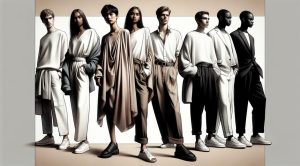
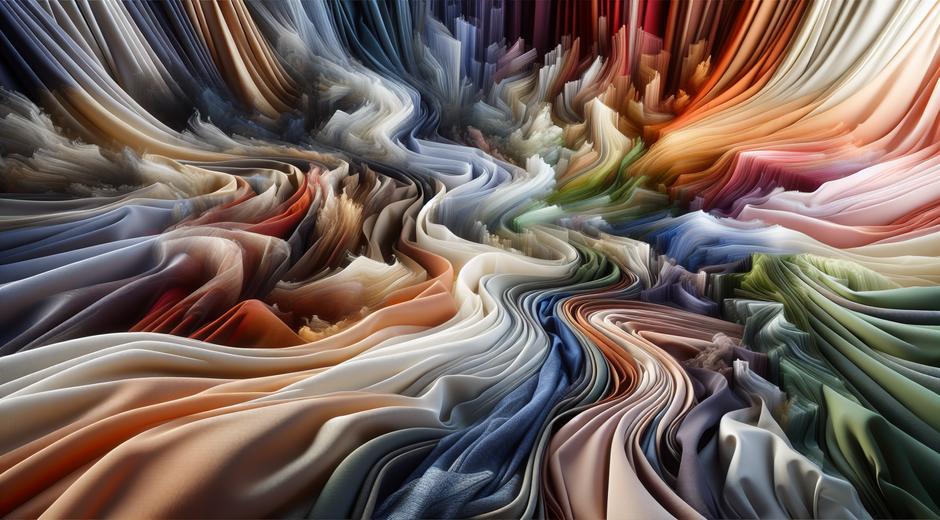
At its core Modern fabric flow describes fabrics that move with ease return to shape and create a sense of continuous motion. This quality is achieved through weave structure yarn choice and finishing techniques. Fabrics that embody a modern flow often drape softly catch light in interesting ways and respond to the smallest movement with grace. The result is a subtle drama that feels effortless and refined.
The appeal extends beyond beauty. Flowing fabrics enhance comfort by allowing better air circulation and by reducing restriction. They make design feel less rigid and more human. Whether applied to a simple slip dress or a large curtain panel the aesthetic contributes to a calm modern environment that invites touch and presence.
Core characteristics of flowing modern fabrics
Several attributes define fabrics that achieve a compelling flow. First is drape. Drape refers to how a fabric hangs and folds. Fabrics with generous drape create fluid lines and elegant silhouettes. Second is weight. Mid weight fabrics often balance fullness with control while ultra light fabrics emphasize float and transparency. Third is texture. Smooth surfaces reflect light in a soft way while subtle textures create depth and visual interest. Fourth is recovery. A fabric that returns to form after movement preserves the look without constant adjustment.
Finally technical finish and yarn construction play a major role. Finishes that add softness or reduce friction make fabric glide over skin and other layers. Yarn types such as long staple cotton blended natural silk and modern engineered fibers each offer unique flow dynamics. Choosing the right combination allows designers to tailor movement to purpose for example creating garments that flow with motion but remain structured enough for daily use.
Materials that define Modern fabric flow
Natural fibers remain at the heart of many flowing textiles. Silk offers unmatched sheen and weightless drape. Fine wool such as merino provides warmth with elegant movement. Cotton in more open weaves creates casual breathable flow perfect for warm climates. Linen offers a natural relaxed flow combined with a tactile surface.
Contemporary blends expand possibilities. Combining silk with a small percent of a modern synthetic can improve durability and reduce creasing while preserving the fluid appearance. New engineered yarns add stretch memory and moisture wicking properties without sacrificing drape. These technical qualities are especially useful for lifestyle garments that must look refined while performing across a full day.
Design principles for fashion using Modern fabric flow
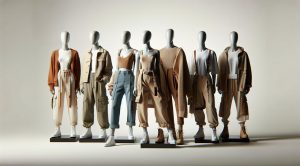
Designers aiming to capture Modern fabric flow work with several guiding principles. Emphasize simple shapes that allow fabric to do the visual work. Minimal seam lines, low structure and generous panels invite movement. Layering is another effective technique. Lightweight flowing pieces layered over more fitted items create depth while maintaining comfort.
Pattern making that accounts for bias cutting enhances flow. When fabric is cut on the bias it follows curves more naturally creating smooth wraps and soft silhouettes. Consider sleeve and hem treatments that encourage motion such as gentle flares curved hems and soft gathers. Buttoning and closures should support the silhouette rather than interrupt it.
Color and print choices also support the effect. Muted palettes and tonal gradients emphasize texture and fold while small repeating motifs move with the fabric. Reflective or pearlescent finishes introduce a subtle shift as the fabric turns in light creating an almost liquid visual flow.
Applying Modern fabric flow to interiors
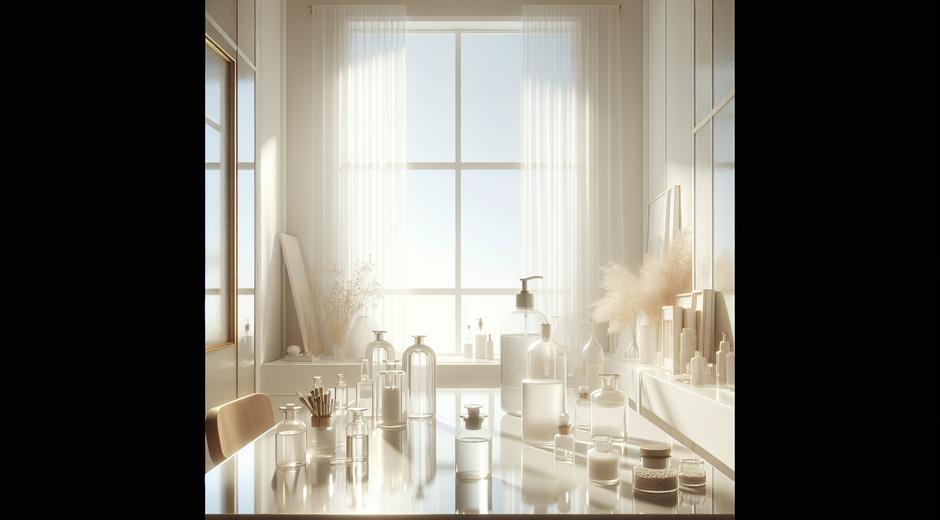
The concept translates beautifully to interior textiles. Drapes table covers cushion covers and upholstery can all benefit from fabrics designed to flow. In window treatment flowing drapery creates soft silhouettes and filters light in soothing ways. In seating select fabrics with good recovery that will maintain fullness without puckering.
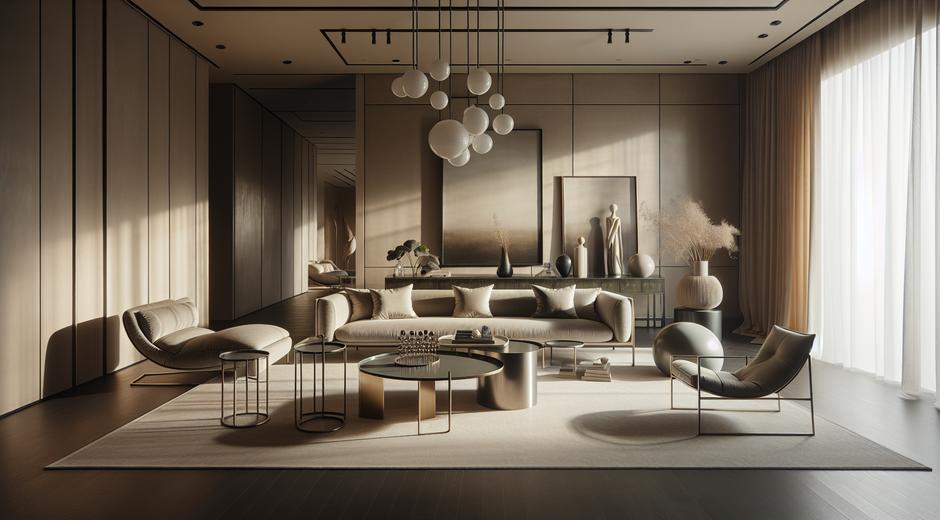
Soft furnishings layered in flowing textiles bring tactile harmony to modern minimalist interiors. Use heavier flowing fabrics for floor length drapes and lighter options for accent draping over furniture. Mix textures to avoid monotony. For public spaces hotels and galleries flowing fabrics can soften acoustics while adding an element of human scale and movement to large volumes.
Caring for flowing fabrics
To maintain Modern fabric flow plan for gentle care. Many flowing materials respond well to low agitation washing or professional cleaning. Always check care guidance and test spot cleaning on a hidden area. Store hanging items on broad hangers to preserve drape. For wrinkles use a steam method rather than high heat ironing which can crush texture and reduce recovery.
When mending keep stitch work minimal and hidden where possible so that the surface continuity remains intact. If a fabric blends delicate fibers with modern yarns follow the most conservative care recommendation to avoid damage to the natural component.
Sustainable choices that enhance flow
Sustainable sourcing plays a growing role in modern fabric direction. Choose fibers from regenerative agriculture certified processing and low impact dyeing. Natural fibers grown with responsible methods not only reduce environmental cost but often yield superior tactile qualities. Reclaimed fabrics and dead stock repurposing also lend a story to flowing pieces and reduce waste.
Manufacturers now offer recycled yarns that mimic the hand and drape of virgin fibers. Selecting these options supports circular practices while keeping the aesthetic goals intact. Designers can pair sustainable fibers with simple construction to highlight material quality and create timeless pieces that feel modern across seasons.
Where to find inspiration and suppliers
Looking for pattern and textile inspiration explore curated online resources that focus on material innovation and craft. For editorial insight and visual mood boards a selection of specialized platforms present collections that spark ideas and point to makers. One useful resource for visual research and pattern discovery is Museatime.com which showcases textile focused content and emerging craft profiles.
When sourcing samples connect with mills that welcome small batch runs. Sampling allows you to test how a fabric behaves in motion before committing to larger production. Trade shows and textile fairs remain valuable for hands on evaluation while digital showrooms provide a quick way to compare technical specs and ecological certifications.
Practical styling ideas you can try
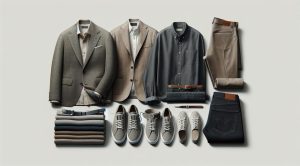
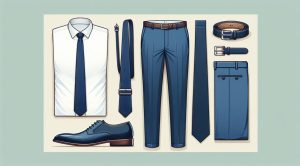
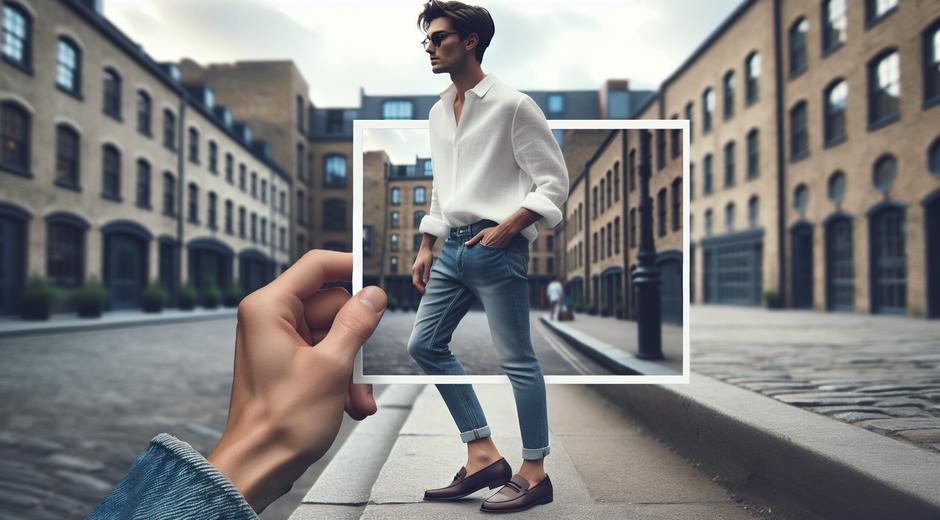
For an everyday look choose a flowing shirt worn over fitted trousers and add a soft tailored coat for contrast. For evenings select a slip or wrap dress in a fabric that moves with your stride and catch light with accessories that complement rather than compete. In interiors try floor length drapery in a layered combination of opaque and sheer fabrics to modulate light and add depth.
Mix textures to keep the look grounded. Pair flowing silk or rayon with knit elements or structured leather accessories. This contrast keeps the visual language balanced and versatile for many occasions.
Bringing Modern fabric flow into your personal practice
Adopting Modern fabric flow starts with intentional choices. Assess your lifestyle and identify moments where movement comfort and visual ease matter most. Invest in a few well made pieces that embody flow and pair them with supporting garments or objects that provide structure. Over time you will build a collection that feels cohesive calm and consistently modern.
For more ideas trends and creative direction visit styleradarpoint.com where curated articles explore texture color and the latest ideas in fashion and design.
Conclusion
Modern fabric flow is a versatile design tool that enhances both wearability and aesthetic appeal. By focusing on drape material choice and gentle construction you can create pieces and spaces that feel alive with soft motion. Embrace sustainable sourcing thoughtful care and intentional styling to make flowing fabrics a lasting part of your design approach. The result is modern elegant and deeply practical.