

Modern Texture Mixing
Modern Texture Mixing is a design approach that elevates interiors and fashion by combining surfaces with distinct tactile and visual qualities. When executed with intention it brings depth, personality and a sense of curated cohesion to a space or an outfit. This article explores core principles practical tips and inspirational examples to help you master texture mixing in a modern context.
What Texture Mixing Means Today
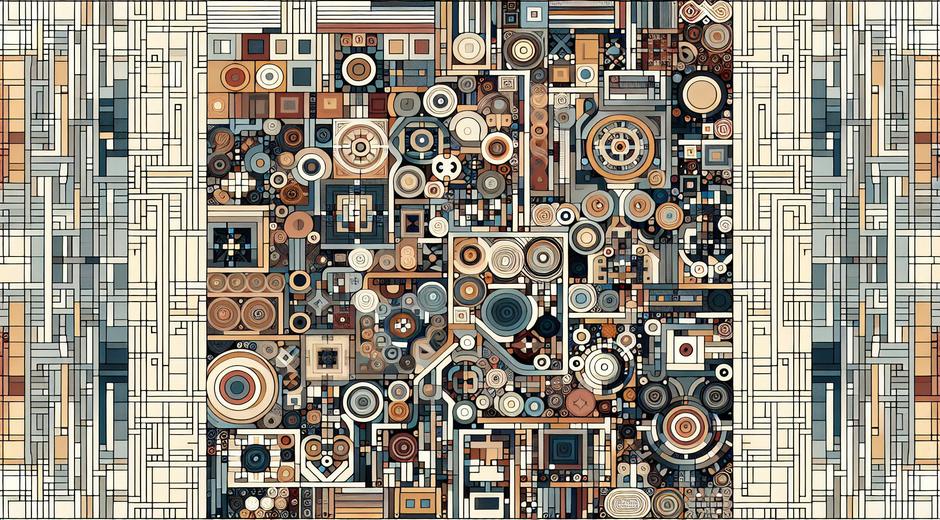
At its simplest texture mixing is the practice of pairing surfaces that differ in feel and finish such as soft and rough matte and glossy warm and cool. In modern design texture mixing goes beyond mere variety. It focuses on contrast in scale rhythm and intent so that each element supports a clear mood or story. The goal is balance not clutter. Thoughtful contrasts highlight features draw the eye and make environments feel dynamic while remaining comfortable.
Core Principles of Successful Texture Mixing
Start with a primary texture that sets the tone. This could be a boucle sofa a polished concrete floor or a silk blouse. Use that texture as your anchor and introduce two to three complementary textures. Contrast is essential. Pair smooth with nubby reflective with absorbent and organic with engineered. Keep the palette cohesive. Color ties textures together so choose a limited range of colors and vary texture within that range.
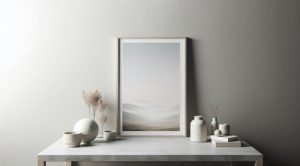
Scale matters. Combine fine textures such as linen with broader textures such as wide weave wool to avoid visual competition. Consider the rhythm. Repeating a texture in different locations creates harmony. For example repeat a wooden tone in furniture legs shelving and picture frames. Finally layer in at least one element that surprises the senses. A metallic lamp or a glossy ceramic vase can lift a tranquil textile mix.
Materials to Mix in Interiors
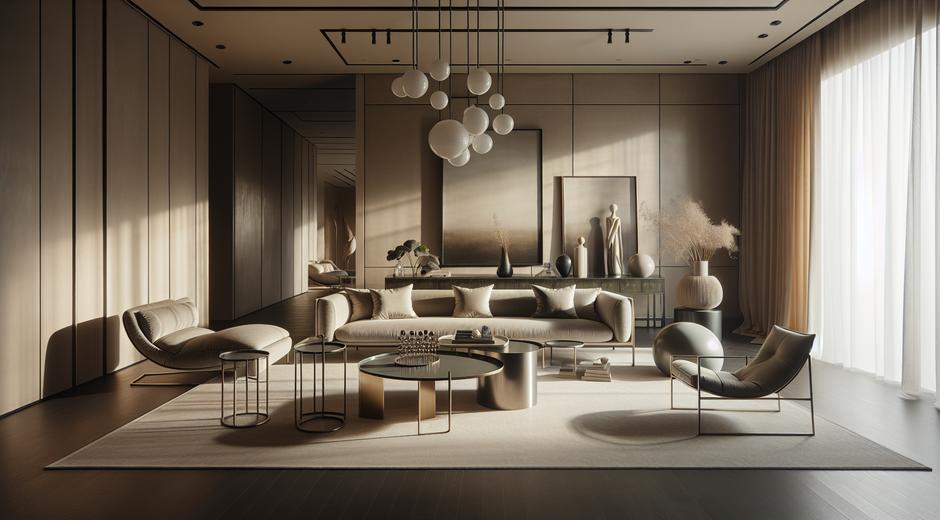
Modern interiors offer an arsenal of textures. Natural materials such as wood stone and wool provide warmth. Engineered surfaces such as lacquer glass and composite materials deliver sleekness. Soft textiles including velvet linen and cotton add comfort. Metals like brass and stainless steel inject shine. When seeking a modern aesthetic blend organic textures with refined finishes. For instance pair a raw oak dining table with sculptural glass lighting and a plush wool rug to achieve contrast that feels intentional.
Texture Mixing by Room
Living area. Layer textiles on seating and floors. Combine a leather sofa with a nubby throw pillow and a low pile area rug. Use a matte coffee table surface and a glossy side table to create focal points. Keep accessories varied yet minimal.
Bedroom. Soften the space with tactile bedding and curtains. Mix smooth sateen sheets with a chunky knit blanket. Introduce a smooth bench at the foot of the bed and a tactile woven headboard to create balance and interest.
Kitchen. Pair polished countertops with open shelving that shows raw wood grain. Consider tactile cabinet hardware that contrasts with sleek cabinet faces. A textured backsplash can give depth while countertops remain easy to care for.
Texture Mixing in Fashion
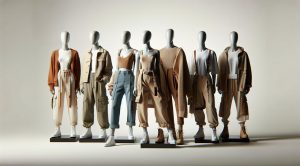
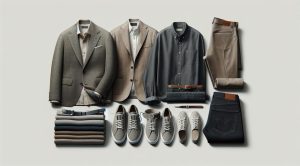
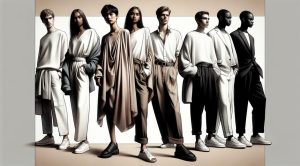
Modern texture mixing in fashion follows similar rules. Start with a dominant fabric such as denim or silk then add contrast with leather suede or knit. Mix scales by pairing a delicate lace top with a chunky knit scarf. Use sheen to guide formality. A matte leather jacket worn over a glossy slip dress feels contemporary and balanced. Accessorize with tactile shoes or bags to anchor the look.
Color and Texture Working Together
Color is the glue for texture mixing. Neutral palettes make it easier to explore wide material contrasts because the eye can accept varied surfaces when color is consistent. In bolder schemes use color to group textures. Keep warm materials such as natural wood and terracotta in a warm color family. Cool textures such as concrete and brushed chrome work well with cool grays and blues. A well chosen color story simplifies decisions and amplifies the effect of texture mixing.
Mistakes to Avoid
Overcrowding rather than layering. Too many strong textures can compete and create visual noise. Aim for three to five textural elements with a clear anchor.
Ignoring scale. Small patterns and tiny textures on large surfaces can feel out of place. Match texture scale to object scale.
Forgetting functional needs. In high traffic areas choose durable textures that are easy to clean. Visual appeal must meet practical requirements.
Practical Layering Tips
Start with the floor then work upward. The floor often sets the dominant texture in a room so select rugs floors and large furniture first. Add textiles next such as throws pillows and curtains. Introduce reflective surfaces and metallics last as accents. This order helps maintain balance and ensures tactile progression from low to high.
Mix three textures per focal area. For example seating might include the sofa fabric a rug and a throw. Use repetition to build cohesion. Repeat a texture or a color three times throughout a space to create rhythm.
Sustainable Texture Choices
Modern texture mixing can be eco conscious. Choose reclaimed wood low impact natural fibers and recycled metals for a responsible approach. Natural textures age gracefully which adds character over time. Consider vintage or second hand pieces to incorporate unique textures while reducing waste. Sustainability can be a key part of a texture strategy and often adds a story to your design.
Budget Friendly Texture Strategies
You can achieve modern texture mixing without a large budget by focusing on textiles and accessories. Swap pillows add a textured throw change a rug or introduce new lighting to alter perception of materials. Small changes can create a layered look. For guidance on funding larger projects explore trusted resources that explain financial options for home improvement. Visit FinanceWorldHub.com for clear accessible information on loans grants and cost planning that can make bigger renovations feel manageable.
Where to Find Inspiration
Explore curated outlets and trend sites to see how professionals mix textures across projects. Our platform regularly highlights the latest approaches and seasonal ideas. For a steady stream of advice inspiration and product picks check out styleradarpoint.com where trends are broken down into actionable steps so you can recreate looks with confidence.
Final Thoughts
Modern Texture Mixing is about thoughtful contrast cohesion and sensory intention. By starting with a clear anchor limiting your palette and layering textures in a considered order you can create spaces and outfits that feel rich and modern. Balance scale repeat textures for rhythm and always consider function. With practice you will develop a confident eye for pairing materials that elevate everyday spaces into memorable environments.