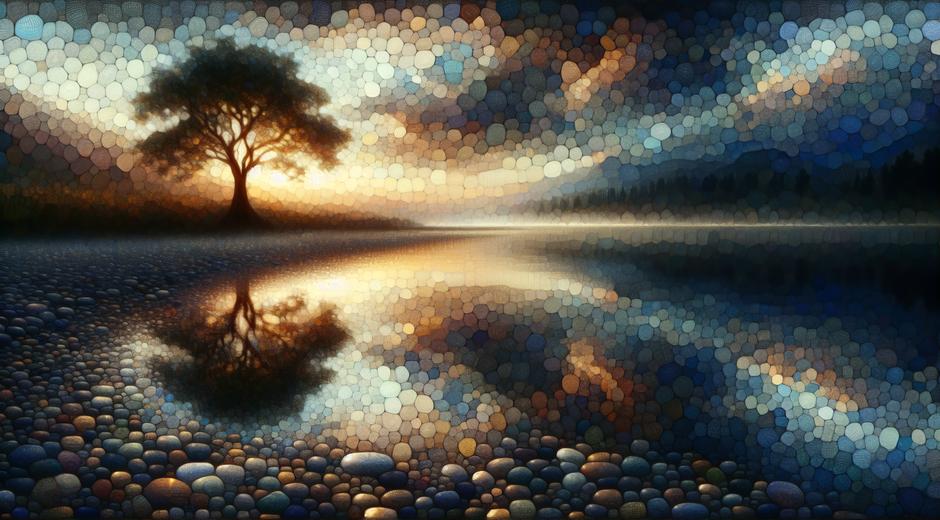


Textured Calm: How Texture Transforms Space and Style
Textured Calm is a concept that unites visual restraint with tactile richness. It is a design approach that invites the senses to slow down. Rather than relying on bold color or loud pattern it uses layers of texture to create depth and warmth. This idea works across interior design fashion beauty and lifestyle. In this article we explore the principles behind Textured Calm and offer practical tips for bringing this serene aesthetic into your daily life.
What is Textured Calm?
At its core Textured Calm focuses on texture as the primary element of interest. Texture can be visual or tactile. Visual texture comes from pattern shadow and contrast while tactile texture comes from materials like wool linen stone and clay. When these textures are balanced they create a feeling of calm that is rich without being busy. The result is a space or outfit that feels intentional grounded and quietly luxurious.
Textured Calm is not about minimalism alone. Minimalism often pares back items to create space. Textured Calm adds sensory layers to that space. It keeps the scene uncluttered while adding surfaces that invite touch. The method creates a calm that you can feel as well as see.
Why Texture Creates Calm
Human beings respond to texture on multiple levels. Soft fabrics trigger comfort. Natural stone signals permanence. The brain interprets complex yet subtle surfaces as interesting rather than overwhelming. Texture also influences acoustics. Soft surfaces absorb sound which helps reduce harsh echoes and creates a quieter environment. This combination of sensory cues explains why textured spaces often feel more restful and more cared for.
Designers use texture to guide the eye. A smooth wall next to a woven rug a matte ceramic next to a glossy surface creates a gentle contrast that helps define areas without shouting for attention. This helps maintain visual harmony and supports the feeling of calm.
How to Build a Textured Calm Space
Start by choosing a calm palette. Neutral tones such as warm white soft gray beige and muted earth tones provide a backdrop that allows texture to stand out. Next layer materials. Think woven rugs linen curtains plaster walls and wooden furniture with natural grain. Use textiles in various weights and weaves to add dimension. A chunky throw can be paired with a fine linen cushion to create a pleasing contrast.
Lighting is crucial. Soft diffuse light enhances texture by creating gentle shadows. Avoid harsh overhead light that flattens surfaces. Instead use layered lighting with table lamps floor lamps and wall lamps to sculpt surfaces. Plants and natural elements also contribute to Textured Calm. A simple bowl of river stones a potted fern or a bundle of dried grasses adds organic texture that connects the space to the outdoors.
Textured Calm in Fashion
Fashion adapts Textured Calm by combining fabrics in a restrained palette. Think a linen shirt with a soft wool coat or a silk dress paired with leather boots that show gentle wear. The key is balance. Use one statement texture supported by subtler textures throughout the outfit. Accessories such as a leather bag woven belt or a beaded bracelet provide focal points without overpowering the look.
Textures can also communicate mood. Matte fabrics convey quiet elegance while slubby knits suggest comfort. When curating a wardrobe with Textured Calm in mind select pieces that age well and develop character with use. This promotes a slow fashion mindset where garments gain value through wear rather than losing it through trend cycles.
Textured Calm in Beauty and Personal Care
Textured Calm extends to beauty routines and toiletry choices. Look for products with soothing textures such as creamy cleansers silky serums and balm like moisturizers. Exfoliation can introduce memorable texture into a self care ritual. Use gentle scrubs or soft tools to create a tactile moment that feels nourishing rather than abrasive.
Packaging and placement of products can enhance the calm. Storing items in ceramic trays wooden boxes or woven baskets creates a small display that is pleasing to the eye and invites use. This simple act turns routine tasks into sensory rituals that support mental rest.
Texture and Well being
There is growing interest in how environment affects mental health. Textured Calm supports well being by creating spaces that reduce sensory overload while offering rich sensory cues. Soft textiles can soothe the nervous system. Natural materials can foster feelings of safety and connection. When combined with intentional layout and calming color Textured Calm can create a sanctuary like effect that supports relaxation focus and restorative sleep.
Apply this at home or at work. A textured desk mat a wooden pen tray and a small plant can transform a stark workspace into a place that feels more human and more inviting. Small changes can have outsize impact when they are consistent across a room or an outfit.
Practical Tips for Creating Textured Calm
Focus on three to five materials per space to avoid visual overload. Mix scales so that fine grain and coarse weave complement each other. Choose durable materials that look better with age to support a lasting aesthetic. Keep color subtle so texture remains the hero. Declutter surfaces to let texture read clearly. Use rugs to anchor furniture and add warmth underfoot.
When shopping look for tactile details such as visible weave natural irregularities and artisanal finishes. Quality often shows in how the material feels. If you are building a new space or updating an outfit consider investing in one or two key pieces that embody Textured Calm rather than many short lived items. For curated inspiration and timely trend ideas you can visit styleradarpoint.com to explore curated galleries and styling advice.
Where to Find Pieces that Support Textured Calm
Sources range from local makers markets to established brands that focus on craft. Seek out ceramics with mattes and soft glazes handmade textiles and small batch furniture. For curated product offerings and expert picks consider visiting partner resources that specialize in sensory driven design ideas. A recommended resource for curated finds and lifestyle guides is Chronostual.com.
Small Projects to Try This Weekend
Start simple. Reorganize a shelf to display objects by texture rather than color. Replace one pillow with a textured cushion. Add a woven basket for storage. Swap a glossy accessory for a matte one. These small projects can be completed quickly and will show how texture alone alters perception of space.
Conclusion
Textured Calm is an accessible aesthetic that values sensory depth over visual noise. It can be applied to interiors fashion beauty and everyday rituals. By prioritizing materials layering textures and keeping colors subdued you can create environments and outfits that feel grounded and restful. The approach supports sustainability by encouraging long lasting selections that age beautifully. Embrace texture to craft a calm that you can both see and feel.